Our 600-series built-in was running constantly. The technician traced it to a blocked condenser and a worn fan, showed me the readings, and quoted only what the tests supported.
Robert M.Harbor Side, Foster City
Core service scope
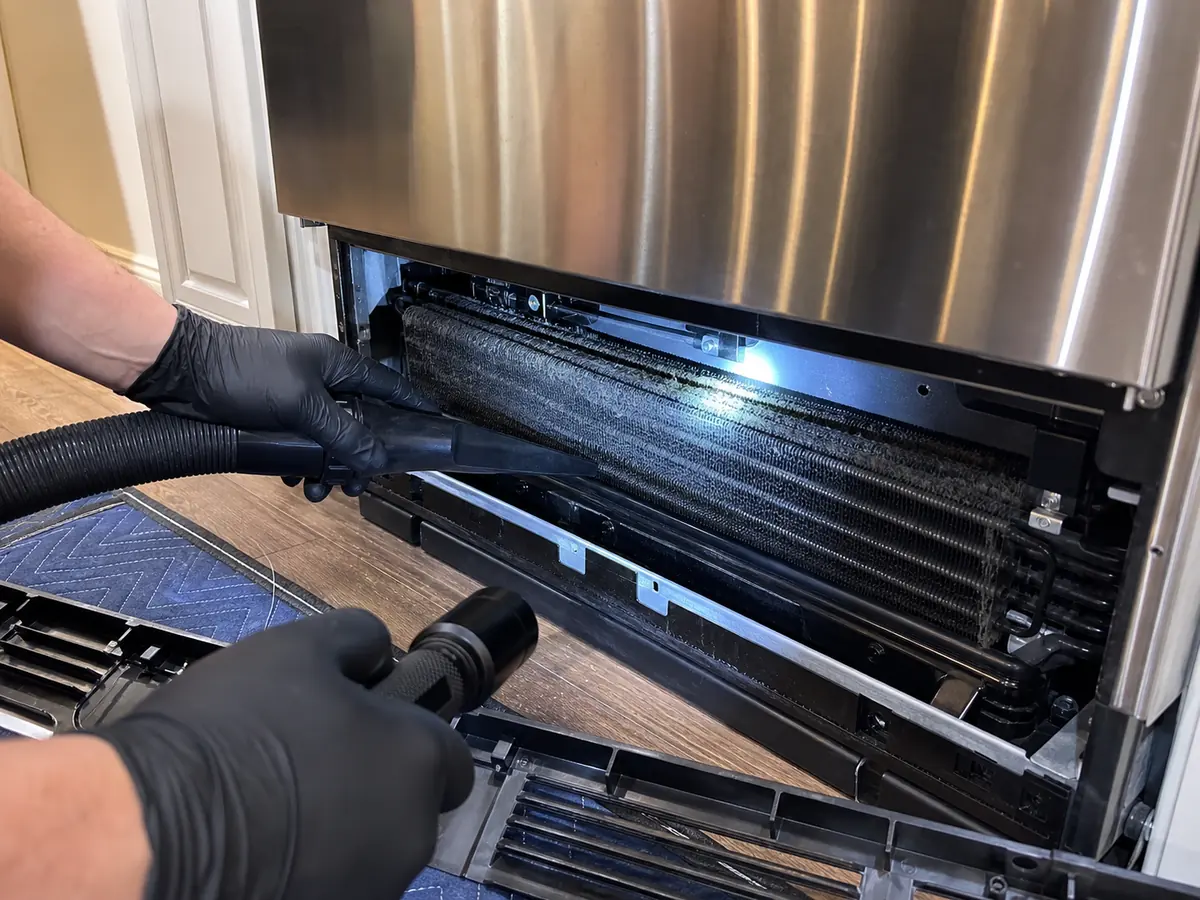
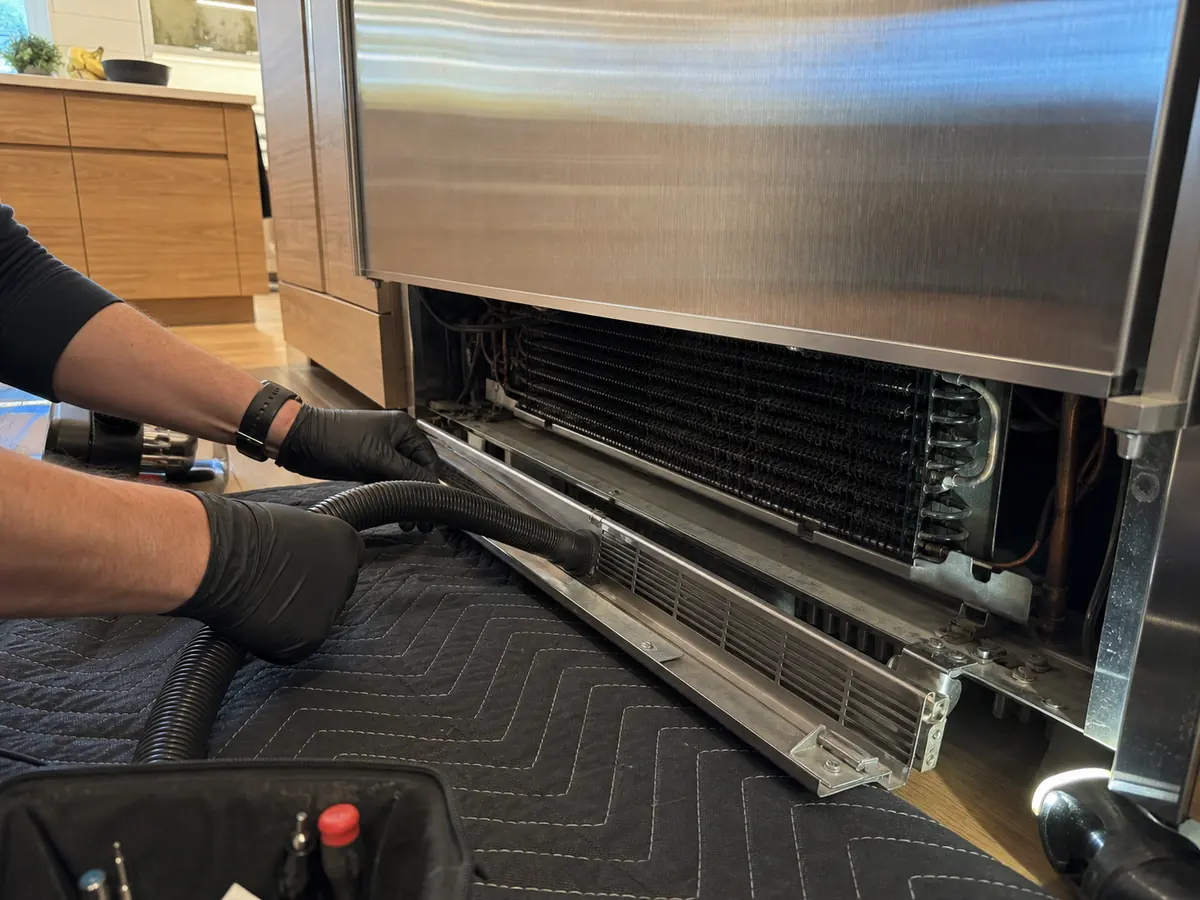
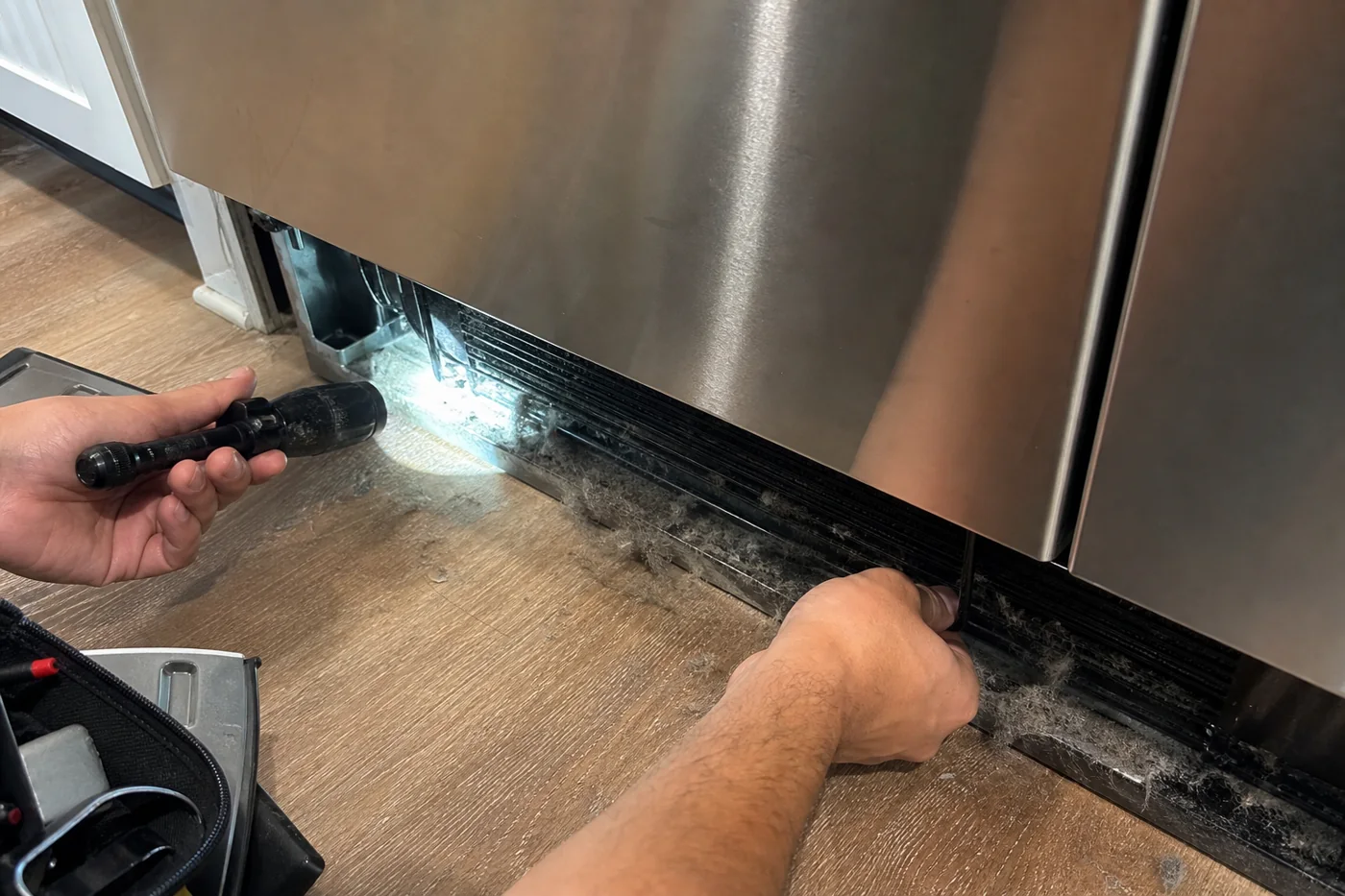
When a Sub-Zero in The Islands runs longer than usual and the condenser coil is packed with dust or pet hair, the first answer should be measured service, not a dramatic compressor guess. Foster City homes often place built-in refrigerators behind panel fronts, toe-kick grilles, and narrow cabinet openings, so the technician needs to verify airflow, temperature split, fan operation, and model family before quoting parts.
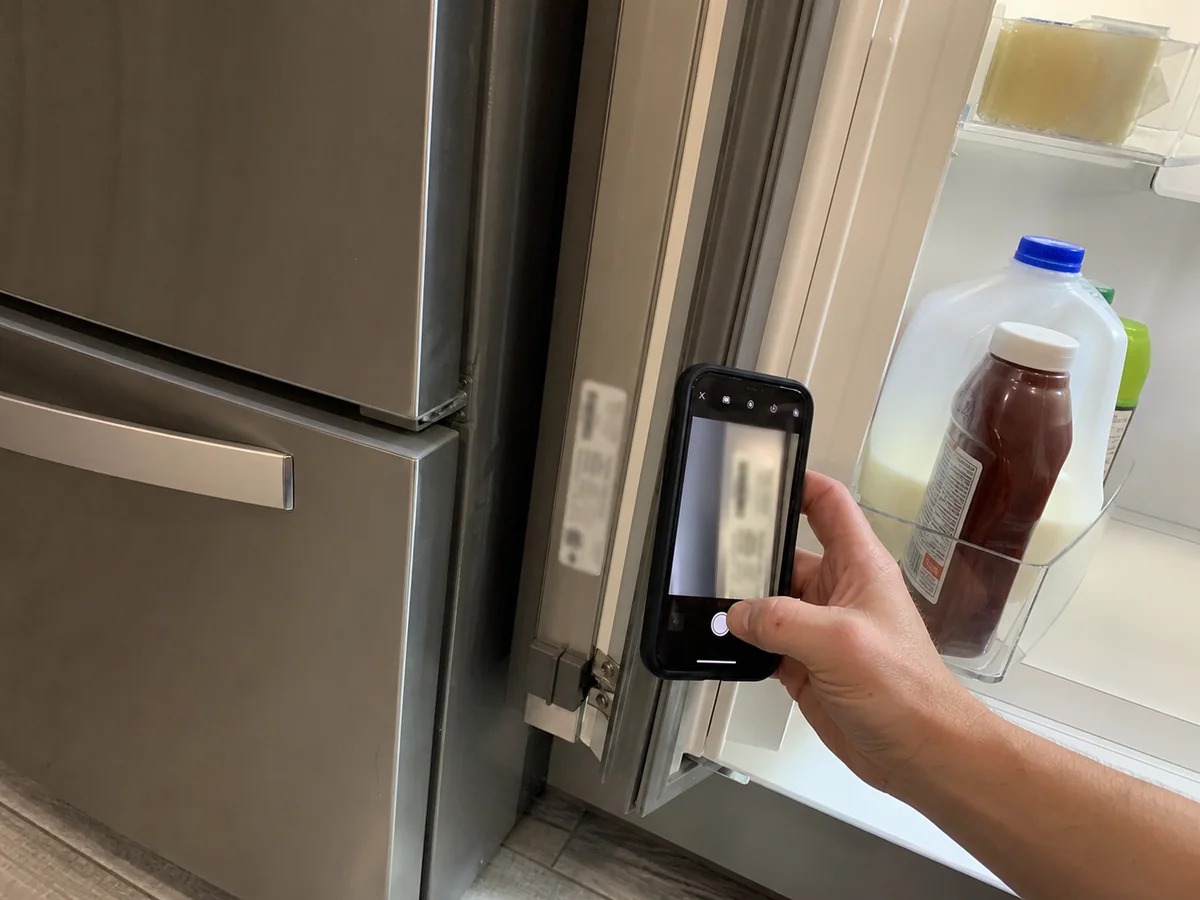
Sub-Zero repair in Foster City for built-in units that need a real diagnosis in Foster City should be handled as a diagnostic-first visit: confirm the model and serial, record temperatures, inspect airflow and visible moisture evidence, then quote the part or labor path only after the symptom is tied to a test.
Last updated: 2026-06-05. Ranges and service notes are reviewed as planning guidance; the written estimate controls final pricing, timing and warranty terms.
Our 600-series built-in was running constantly. The technician traced it to a blocked condenser and a worn fan, showed me the readings, and quoted only what the tests supported.
Robert M.Harbor Side, Foster City
Honest diagnosis on an older Sub-Zero. They told me what was worth repairing and what wasn't, and the unit has held temperature ever since.
Anita V.Edgewater Isle, Foster City
Professional from the first call. Model confirmed, parts matched to the serial, and they cleaned up completely. The kind of Sub-Zero service I'll call again.
Greg P.Sea Cloud, Foster City
A door gasket leak, condensation line, or frost stripe is a different kind of clue. It may be a worn gasket, hinge alignment, panel pressure, or humidity entering through a small gap. Before inspection, nobody can honestly say whether the gasket alone will fix it; the cabinet fit and door closure have to be checked.
Harbor Side and Edgewater Isle service calls often include waterfront moisture plus tight kitchen paths. That changes how tools are staged, how the unit is protected if it must be moved, and how long diagnosis may take.
Sealed-system suspicion needs EPA Section 608-qualified refrigerant verification before refrigerant work, and it should be supported by temperature readings, condenser and evaporator photos, model-tag proof, and serial-matched part evidence. We do not guess on compressors, control boards, or sealed-system parts.
Fresh-food section warm while freezer still holds; condenser or evaporator airflow checked first.
Panel fit, door closure, and model-specific controls can affect diagnosis.
Frost pattern, fan behavior, and defrost function are documented before parts.
Several-degree drift needs zone readings, sensor checks, and airflow proof.
Compact access and ventilation make cleaning and fan checks important.
Slow, jammed, or hollow cubes are checked against temperature and fill timing.
Frost lines and condensation need seal fit, hinge closure, and cabinet-pressure checks.
Common built-in repairs we handle in 94404, from airflow and seals to sealed-system work, with planning ranges for premium Foster City kitchens.
| Sub-Zero job | What's included | Price range | Typical time |
|---|---|---|---|
| Diagnostic visit (credited) | Model, temperatures, airflow and water-path check | $165-$245 | 45-90 min |
| Condenser / evaporator fan | Motor test and model-matched fan, airflow verify | $340-$760 | 1-2 h |
| Door gasket / frost line | Serial-matched seal, hinge and panel-pressure check | $480-$1,020 | 1-3 h |
| Ice maker / water line | Valve, filter, fill tube and freezer-temp checks | $310-$910 | 1-3 h |
| Thermistor / sensor | Probe reading compared to control, model part | $280-$640 | 1-2 h |
| Control board / display | After electrical proof and model-specific checks | $420-$1,380 | 1-4 h |
| Sealed system / compressor | Pressure and electrical evidence before any quote | $1,650-$3,950 | 2-6 h + parts |
Salt-air corrosion, custom-cabinet access and part age on 1970s-1990s units move the final number more than the symptom itself.
Foster City ice, moisture and cooling complaints often cross systems, so the table keeps water-path evidence separate from cooling evidence.
| Symptom | Water-side check | Temperature-side check | Likely next step |
|---|---|---|---|
| Slow or hollow ice | Filter age, fill-tube frost, valve response, visible line restriction | Freezer temperature and harvest timing | Confirm water path before ordering an ice maker module. |
| Condensation or frost line | Water-line area and cabinet humidity if moisture is widespread | Door seal contact, hinge closure and zone temperatures | Separate gasket/cabinet moisture from true cooling loss. |
| Fresh-food warm, freezer close | None unless ice maker or water dispenser changed recently | Airflow, condenser breathing, evaporator fan and thermistor reading | Start with airflow and sensor evidence before sealed-system suspicion. |
| Both sections weak | Look for prior leaks or corrosion near lower access | Temperature split, condenser fan, compressor behavior and sealed-system proof | Escalate only after basic airflow and control checks are documented. |
| Alarm or display issue | Confirm no water leak or shutoff event occurred first | Model-specific control, sensor and power-event review | Do not quote a board from a generic code alone. |
The owner photo narrows the visit, but the technician test is what should appear on the written estimate.
| Owner can photograph | Useful owner evidence | Technician must test |
|---|---|---|
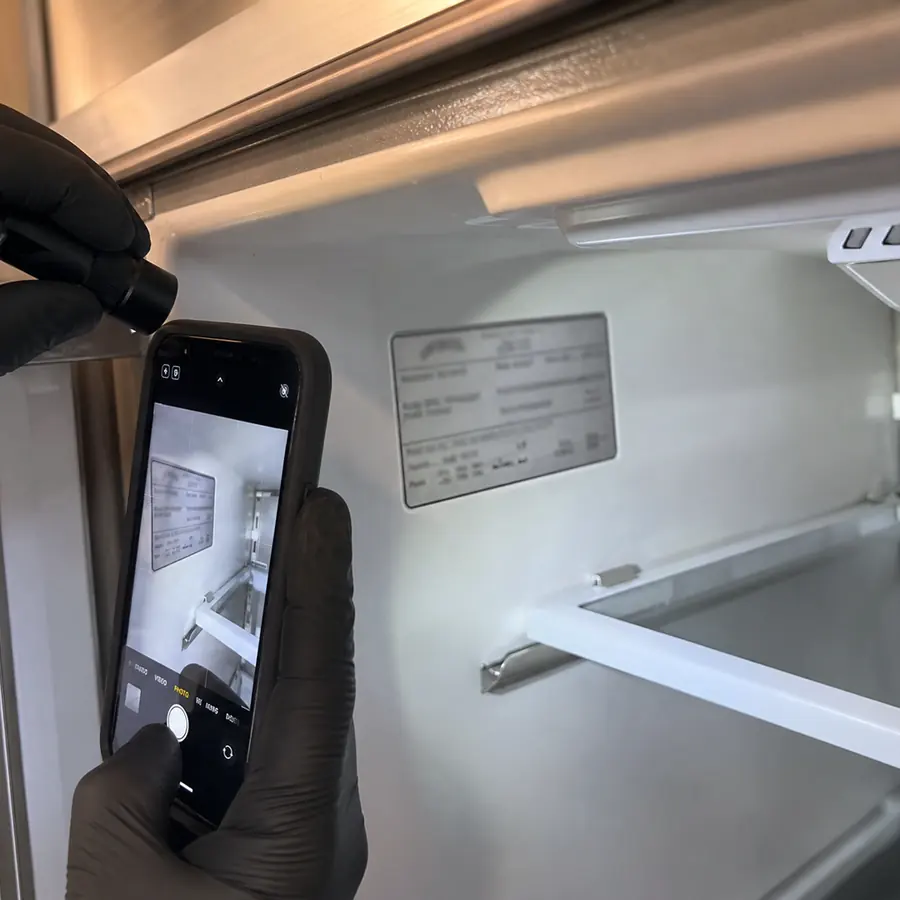
| Model and serial label | Clear photo of the tag plus a wide shot showing location | Match parts, model family and service instructions. |
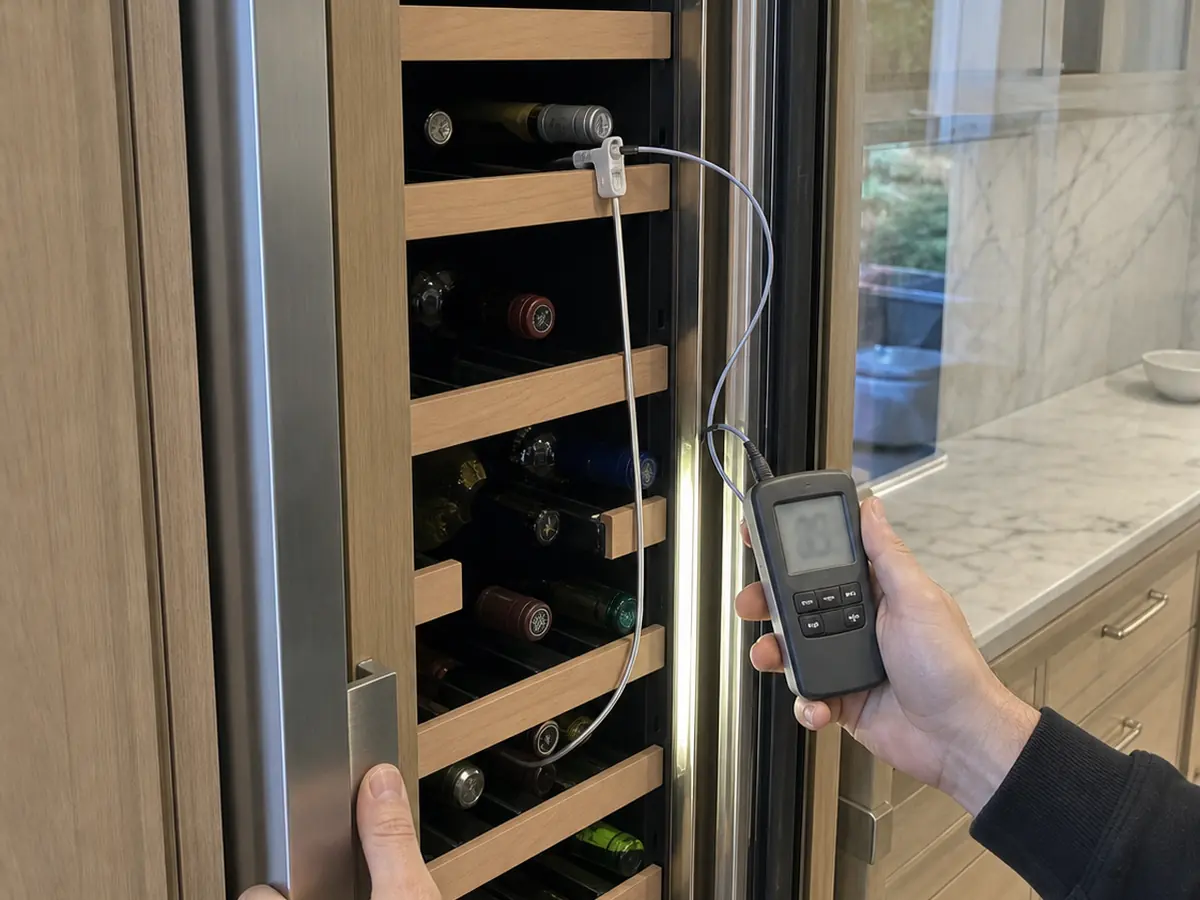
| Temperature display and food-zone reading | Photo of display plus owner thermometer reading after door has been closed | Compare actual temperature to control and sensor behavior. |
| Lower grille or condenser area | Straight-on photo showing dust, pet hair, corrosion or blocked airflow | Inspect fan behavior, electrical safety and cleaning limits. |
| Ice bin, fill tube or water-line area | Photo of hollow cubes, fill-tube frost, leaks or corrosion | Test fill timing, valve behavior, filter restriction and freezer temperature. |
| Panel gaps and floor path | Wide photo showing custom panels, toe-kick, flooring and route | Plan cabinet-safe access, water-line slack and floor protection. |
Sea Colony, Treasure Isle, and homes near Leo J. Ryan Memorial Park often have premium kitchens built around the refrigerator opening. That can mean matched panels, a lower grille that is hard to reach, stone floors that need protection, and older cabinets that make pulling the unit a slower decision. The Foster City lagoon setting also adds moisture cycles. A gasket that would look minor inland can create condensation and frost here, and a dusty condenser can run hotter when the cabinet cavity has limited breathing room.
The repair plan should name those constraints instead of treating every Sub-Zero like a freestanding refrigerator. When access is tight, diagnosis should maximize tests that can be done from the front first: model tag, temperature readings, grille inspection, door closure, fan sound, and visible frost pattern.

A deliberately ordered path that prevents expensive guesses on built-in units.
Our Foster City Sub-Zero pricing is shown as conditional ranges tied to the diagnosis, not a teaser fee. The range covers the diagnostic visit, the likely part category, the expensive exception, and what would change after model, access and water-path testing.
Diagnostic/service call planning range for model, temperatures, airflow and visible evidence.
Door gasket or frost-line work after model verification and hinge/cabinet checks.
Ice maker or water-line work after separating valve, filter, fill tube and freezer-temperature causes.
Compressor or sealed-system planning range after pressure and electrical evidence.


Sub-Zero parts are not interchangeable just because two units look similar from the kitchen. Fans, gaskets, boards, water valves, ice-maker assemblies, thermistors, and sealed-system components should be matched to the model and serial number. The invoice should describe the symptom, the confirmed test, the installed part, and the warranty terms that apply to that repair.
We put warranty terms in writing on the estimate. The practical standard is simple: if a part or labor warranty is offered, it should say the duration, what is covered, what is excluded, and how a recurrence is handled.
Call now for quick help, or use the online booking page when you prefer to choose a service window yourself.
Near the lagoon, the frequent ones are corroded or dust-packed condensers, door-gasket frost from humidity, evaporator-fan and thermistor faults, and ice-maker water-path issues at corroded fittings. Sealed-system failures happen but are less common than inland because the mild coastal climate keeps compressor load low. Most start as airflow or sensor problems, not compressor failures.
Many do. Serial-matched gaskets, fans, thermistors, valves and ice-maker modules are still available for most Classic BI, Designer and older column units, typically $280-$1,380 installed. A few discontinued control boards or sealed-system parts can be the exception, which is why model and serial confirmation comes before any repair-or-replace recommendation.
Beyond the $165-$245 diagnostic, common repairs in 94404 run $310-$910 for ice-maker or water-line work, $480-$1,020 for gasket and frost-line jobs, $420-$1,380 for control boards, and $1,650-$3,950 for sealed-system or compressor work. Custom-cabinet access and part age move the final number.
Salt-laden marine air settles on the coil and lower grille and combines with dust and pet hair, so the condenser clogs and surface-corrodes faster than in dry inland kitchens. A blocked coil makes the unit run long and warm. Dry-dust the grille about every 3 months; avoid liquid cleaners near wiring.
Yes. We work on Classic built-ins, Designer integrated refrigerator and freezer columns, PRO-48 units, undercounter refrigeration and wine columns common in Foster City remodels. Each family places tags, grilles, drains and controls differently, so model and serial confirmation is the first step before parts or any cabinet-safe movement.
Most repairs are completed on site in one visit: 45-90 minutes for diagnosis, 1-3 hours for gasket, ice-maker or fan work, and 1-4 hours for control work. Sealed-system or compressor jobs run 2-6 hours plus parts lead time, and uncommon serial-specific parts can require a scheduled return.